
Redeemed Contracting · Remodeling Planning
What Hidden Problems Can Be Found During a Bathroom or Kitchen Remodel?
An honest guide for Northeast Ohio homeowners — what's really behind your walls, why it happens, and how a good contractor handles it.
If you're planning a bathroom or kitchen remodel, you've probably wondered what's really going on behind your walls and under your floors.
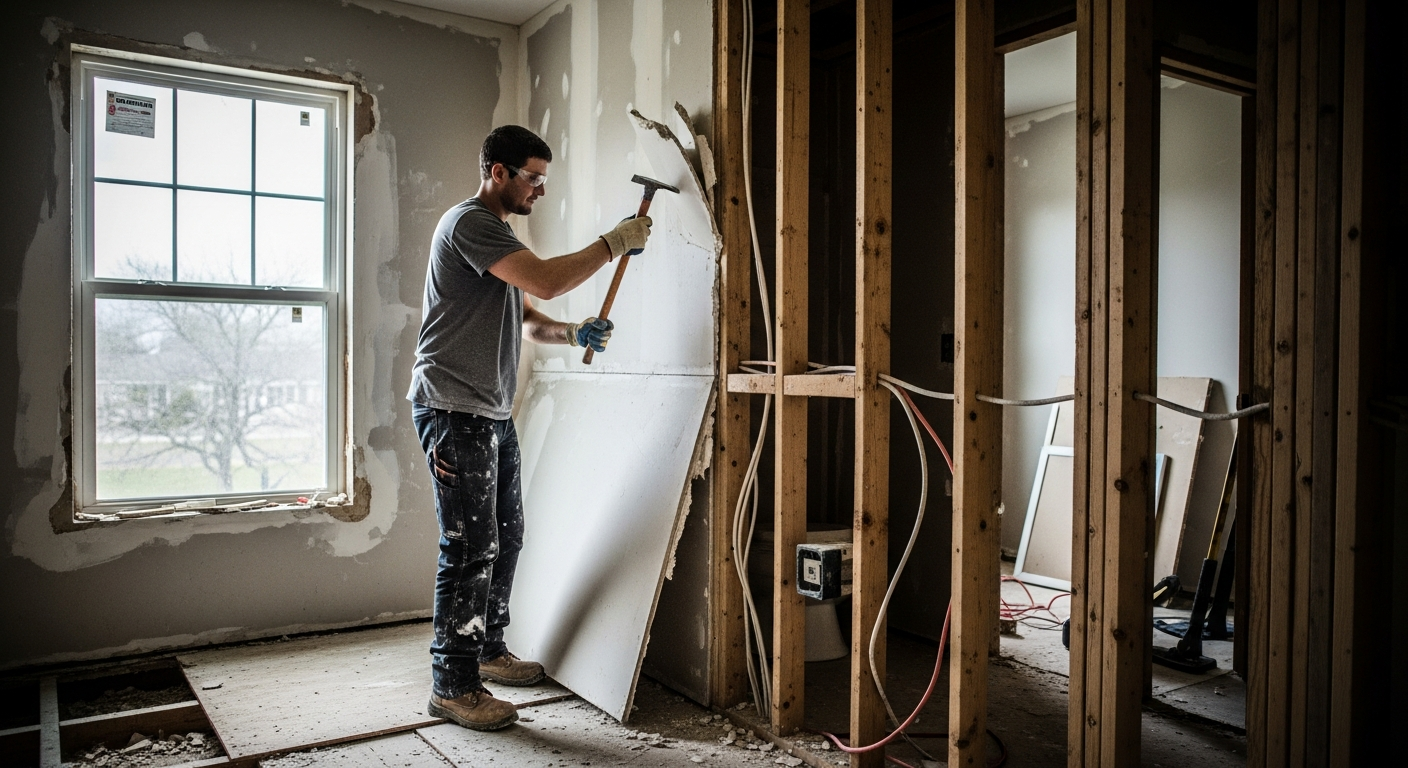
It's a fair question — and one we hear all the time. The honest answer is that nobody knows for sure until demolition begins. That's not a contractor dodging the question. It's simply the nature of remodeling. The problems we're talking about are literally hidden behind finished walls, tile, cabinets, and flooring.
In our experience working with homeowners throughout Northeast Ohio, the difference between a smooth project and a stressful one usually isn't whether surprises show up. It's how those surprises get handled. So let's walk through what hidden problems can be found during a remodel, why they happen, and what an experienced contractor does when they appear.
What Homeowners Should Know
- Hidden problems are a normal possibility in any remodel — not a sign something went wrong.
- Water damage, rotten subfloors, and mold are the most common discoveries in bathrooms.
- Plumbing and electrical issues often turn up once walls are opened — and are far easier to fix then.
- Structural surprises are less common but important to address properly when found.
- An open wall is actually the best time to repair any of these — before new finishes go in.
- A good contractor photographs everything, explains your options, and gets your approval before proceeding.
- Budgeting a sensible cushion for the unexpected gives you peace of mind whatever turns up.
Table of Contents
- 1. Why Hidden Problems Happen During Remodeling
- 2. Water Damage Behind Walls
- 3. Rotten Subfloors
- 4. Mold
- 5. Plumbing Issues
- 6. Electrical Problems
- 7. Structural Problems
- 8. Can These Problems Be Prevented?
- 9. Why Communication Matters Most
- 10. Should You Budget for Hidden Repairs?
- 11. Frequently Asked Questions
Most Common Discovery
Water Damage Behind Walls
Water damage is one of the most common things we find during a bathroom remodel, and it shows up in kitchens too. Water is patient. A small leak doesn't announce itself. It seeps quietly into framing, drywall, and subfloor — sometimes for years — before it ever becomes visible on the surface. By the time a homeowner notices a soft spot or a stain, the damage behind the wall is usually further along than they expected.
Here are the usual sources we find:
Leaking tubs and showers. Old caulk and grout fail over time. Water finds its way past the surface and into the wall cavity behind the tub or shower.
Failed shower waterproofing. Many older showers were never waterproofed the way they are today. Once the original barrier breaks down, water reaches the framing.
Plumbing leaks. A slow drip from a supply line or drain can do real damage without ever leaving a puddle on the floor.
Damaged framing. When water reaches the wood studs, it can weaken them and invite rot.
Damaged drywall. Soaked drywall loses its strength and becomes a perfect home for mold.
Catching hidden water damage during a bathroom remodel is far better than discovering it after a brand-new shower is already installed.
When we find water damage during a remodel, we don't cover it back up. We remove the damaged materials, let the area dry out properly, and replace the framing or drywall as needed. Only then do we install your new finishes. An open wall is actually the best possible time to fix this.
Have questions about your remodel?
We'll walk through your space, tell you what we're looking for, and give you an honest picture — no pressure.
Common in Bathrooms
Rotten Subfloors
If there's water damage in a bathroom, there's a real chance the subfloor underneath has taken some of it. The subfloor is the layer of wood beneath your finished flooring. It's the foundation your tile, vinyl, or hardwood sits on. When water gets under the floor and stays there, the wood softens, weakens, and eventually rots.
A rotten subfloor happens most often around toilets, tubs, and showers — anywhere water has a chance to escape and pool. Sometimes it's caused by a wax ring that failed years ago. Sometimes it's an old leak that nobody caught.
The non-negotiable rule
How much we replace depends on how far the damage spread:
Partial replacement. Works when the rot is contained to a small, localized area. We cut out the bad section, confirm the surrounding wood is solid, and patch in new subfloor.
Larger replacement. Needed when water traveled farther than expected. In some cases the damage reaches the floor joists below the subfloor, and those need to be addressed too.
We always show you what we found and explain what the repair involves before we move forward. A rotten subfloor is a common remodeling surprise, but it's also very fixable when handled correctly.
Often Overreacted To
Mold
Let's talk about mold honestly, because it's a word that makes people nervous.
Mold is often discovered during demolition — usually wherever there's been hidden moisture. If water has been sitting behind a shower wall or under a floor, mold sometimes comes along with it. Moisture is the cause: mold needs water to grow, so when we find it, it's a sign that water was getting somewhere it shouldn't.
Here's the part we want you to hear clearly: not every dark stain is dangerous mold. Discoloration on wood or drywall can come from old water marks, dust, or harmless surface staining. We don't jump to conclusions, and we don't use scary words to push you into anything.
Evaluate it properly
We look at how widespread it is, what's causing it, and what's actually there before drawing any conclusions.
Fix the moisture source
Simply painting over mold or wiping the surface doesn't solve the underlying problem. The cause has to be eliminated.
Remove affected materials
Materials that have mold present need to be handled correctly — not covered up and not treated as an afterthought.
In many cases, mold found during a remodel is limited and straightforward to address once the area is opened up and dried out. The key is not panic — it's dealing with it correctly so it doesn't come back behind your new walls.
Best Fixed While Open
Plumbing Issues
When we open up a wall, plumbing is one of the first things we get a clear look at — and it often tells a story. Common plumbing surprises we find include:
Outdated plumbing. Older pipe materials may be near the end of their useful life, even if they're still working today.
Poorly installed plumbing. We've seen connections and runs that were done quickly rather than correctly.
Improper drains. Drains that weren't sloped or sized right can cause slow drainage and ongoing headaches.
Improperly vented plumbing. Bad venting causes gurgling drains and slow flow — something homeowners rarely think about until it's a problem.
Old shutoff valves. Valves that are corroded or no longer work properly are common in older homes.
The timing advantage
Safety Matters Here
Electrical Problems
Kitchens and bathrooms are where electrical safety matters most — because that's where electricity and water live close together. When we open up walls during a kitchen or bathroom remodel, here are the electrical issues we commonly run into:
Outdated wiring. Older wiring methods were standard in their time but may not meet today's safety expectations.
Missing GFCI protection. GFCI outlets are designed to shut off power instantly near water. Many older bathrooms and kitchens were built before this protection was required.
Overloaded circuits. Modern kitchens ask a lot of their electrical systems. Older circuits weren't designed for today's appliances.
Unsafe DIY work. We sometimes find wiring that a previous owner installed themselves in a way that isn't safe.
Electrical surprises aren't a reason to panic, but they are a reason to be glad you're remodeling. An open wall gives us the chance to bring things up to a safer standard. We'd much rather find and fix an unsafe outlet or circuit now than leave it hidden behind a finished wall.
Less Common, More Important
Structural Problems
Structural issues are less common than water damage, but they do come up — and they're important to address properly. Some of the structural surprises we've found over the years include:
Damaged floor joists. Long-term water exposure can weaken the joists that support your floor, not just the subfloor on top of them.
Improperly cut framing. Sometimes a previous contractor cut into a joist or stud to make room for a pipe or duct, weakening the structure in the process.
Settling damage. Homes shift over time, and older homes especially can show the effects of decades of settling.
Previous homeowner repairs. We frequently find well-meaning repairs that weren't done correctly, which can create new problems of their own.
When we find a structural concern, we slow down and look at it carefully. Structure is not something to rush or guess on. We explain what we found, what it means, and what the proper fix looks like before any work continues. Many Northeast Ohio homes have decades of history behind their walls. Finding the occasional structural surprise is simply part of remodeling an older home — and it's very manageable when caught and corrected the right way.
Have questions about your remodel?
We'll walk through your space, tell you what we're looking for, and give you an honest picture — no pressure.
Honest Limits
Can These Problems Be Prevented?
This is the question we get most often, and we want to answer it honestly.
Experienced contractors can often spot warning signs before a project begins. During an initial inspection, we look for the clues that hint at trouble behind the surface. Soft spots in the floor. Staining on the ceiling below a bathroom. Caulk that's failing. Drains that run slow. Outlets that feel loose. These signs tell us where problems are more likely to be hiding.
So yes — a careful contractor can reduce surprises by knowing what to look for.
The honest limit
What Sets Good Contractors Apart
Why Communication Matters Most
Here's what we believe after years of remodeling homes across Northeast Ohio: the surprise itself is rarely the real problem. The way it's handled is what makes or breaks the experience.
The most frustrating remodeling stories we hear from homeowners almost always involve a contractor who hid something, glossed over it, or sprang a surprise charge on them with no explanation. That's not how we work, and it's not how anyone should.
When we discover an unexpected issue during your remodel, here's exactly what we do:
We photograph it
You get to see what we see. No vague descriptions, no asking you to just trust us. We document the problem clearly.
We discuss your options
Most problems have more than one path forward. We walk you through what they are.
We provide pricing before we proceed
You'll always know the cost before any additional work begins. We never move forward and bill you later.
We document everything clearly
A clear record protects you and keeps everyone on the same page.
Good communication turns a stressful surprise into a manageable decision. When you know what's happening and why, an unexpected discovery stops feeling like a disaster and starts feeling like a problem you're solving together.
Smart Planning
Should You Budget for Hidden Repairs?
Since hidden problems are always a possibility, it's smart to leave a little room in your plans for them. We won't quote specific numbers here, because every home and every project is different, and the right figure depends on the age and condition of your home. What we can say is that planning a sensible cushion for the unexpected gives you peace of mind. If nothing turns up, great. If something does, you're ready.
For realistic investment ranges on your specific project, take a look at our Bathroom Investment Guide and our Kitchen Investment Guide. They'll give you a clear, honest picture of what to plan for. And when you're ready, we're always happy to talk through the details with you directly.
Common Questions
Frequently Asked Questions
How common is hidden damage during remodeling?
It's common enough that experienced contractors always plan for the possibility, especially in older homes. Not every project uncovers a major issue, but small surprises are a normal part of opening up walls and floors that haven't been touched in years. The older the home, the more likely something will turn up.
Does homeowners insurance cover hidden damage found during a remodel?
It depends on your policy and the cause of the damage. In general, insurance is more likely to cover sudden and accidental damage than slow, long-term wear, neglect, or gradual leaks. Because coverage varies so much from one policy to the next, we always recommend checking directly with your insurance provider so you know exactly where you stand before your project begins.
Will hidden damage delay my remodel?
Sometimes, but not always. Minor repairs often fit right into the existing timeline. Larger discoveries — like a significant rotten subfloor or a structural issue — may add some time because the repair has to be done correctly before new finishes go in. If a delay is possible, we'll tell you up front and explain why.
Should I budget extra for unexpected repairs?
Yes, we think that's wise. Setting aside a cushion for the unexpected means a hidden problem becomes a manageable decision rather than a stressful one. For realistic ranges, our Kitchen and Bathroom Investment Guides are the best place to start.
What happens if mold is found during my remodel?
We evaluate it appropriately rather than reacting with fear. Not every dark stain is dangerous mold, so we look at what's really there and what's causing it. If mold is present, it needs proper removal along with fixing the moisture source behind it. Handled correctly, mold found during a remodel is usually very manageable.
Can contractors see behind walls before demolition?
No, not completely. We can look for warning signs during an inspection, and experience helps us know where problems tend to hide. But no contractor can see everything behind a finished wall until demolition begins. That's exactly why we prepare homeowners for the possibility of surprises ahead of time.
What causes rotten bathroom floors?
Hidden moisture is the usual cause. A failed wax ring under a toilet, a leaking tub or shower, or a slow plumbing leak can let water reach the subfloor and sit there. Over time the wood softens and rots. It often goes unnoticed because it happens out of sight, beneath the finished floor.
Is hidden water damage dangerous?
It can be if it's left alone, because it weakens framing and subfloor and can lead to mold. The encouraging part is that a remodel is the perfect time to catch and fix it. Once the wall or floor is open, we can repair the damage properly before installing your new finishes.
The Bottom Line
The Bottom Line on Remodeling Surprises
Hidden problems are simply part of remodeling sometimes. They're not something to fear, and they're definitely not a sign that something has gone wrong with your project.
Water damage, rotten subfloors, mold, outdated plumbing, electrical issues, and the occasional structural surprise are all things that can hide behind finished walls and floors — especially in the many older homes throughout Northeast Ohio. The fact that they exist isn't the problem. Whether they get handled honestly and correctly is what truly matters.
Choosing a contractor who communicates well is far more important than finding one who promises surprises will never happen. Because no honest contractor can make that promise. What we can promise is this: if something turns up during your remodel, you'll see it, understand it, and approve the plan before we move forward. No hidden charges. No glossing over. No pressure.
If you're planning a bathroom remodel or kitchen remodel in Northeast Ohio, we'd love to help you start your project on solid footing. We serve homeowners throughout Stark, Summit, and Portage Counties, including Akron, Canton, North Canton, Green, Hudson, Massillon, and the surrounding communities.
Ready to Talk?
Have questions or ready to plan your project?
We'll give you honest answers and help you plan a remodel you can feel good about — surprises and all.
Request a Discovery Call